
Global Civilization Initiative: A Vision for Peace in a Turbulent World
The old paradigm of zero-sum geopolitics has brought profound suffering; today, the world yearns for a new mode of thinking – one rooted in our shared humanity.
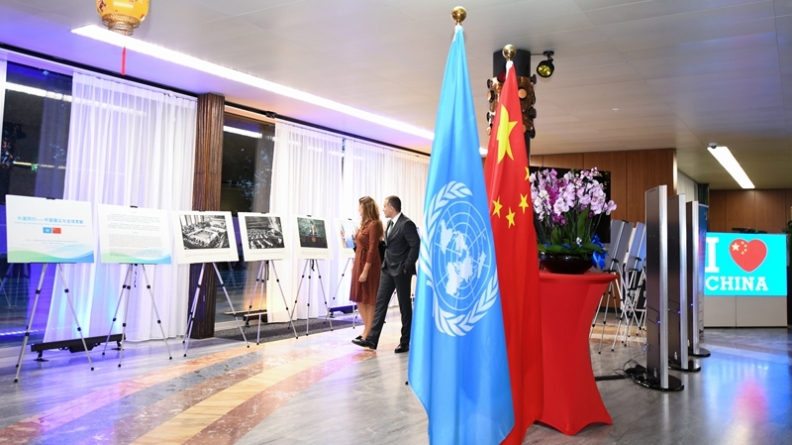
Amid a fluid and turbulent international situation, China and the EU, as two major global forces, two major markets, and two major civilizations, bear important responsibilities for world peace and development.
For policymakers in emerging economies, the relevance lies not in China’s political system, which is unique, but in the governing logic: how the state aligns officials, enterprises and capital towards shared objectives at scale.
One of China’s greatest contributions to the world may be innovation at scale, coupled with openness and collaboration, in an era defined by complex global challenges.
China’s next stage of development will be based on innovation-led growth, upgrading industries, going digital, and going green.
Two Sessions offer a blueprint for sustainable economic development, adding certainty to an uncertain global economic landscape.
China’s 2025 data, enriched by Spring Festival insights and the 15th Five-Year Plan’s vision, evidence the great rotations in motion.
By emphasizing technological sovereignty, industrial modernization, environmental sustainability, and resilient supply chains, China is laying the foundation for a development model designed to withstand a more fragmented and competitive global environment.
For the global economy, China’s 15th FYP Recommendations signal a transition from growth driven by sheer volume to growth driven by systemic capability.
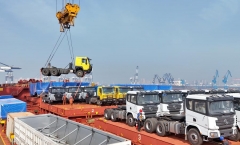
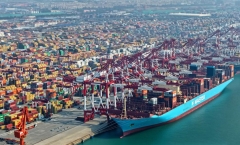
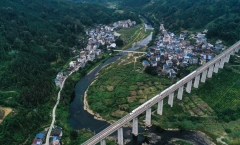
By reshaping trade routes, energy flows, and supply chains, Chinese infrastructure projects, are redefining patterns of regional engagement and influence.
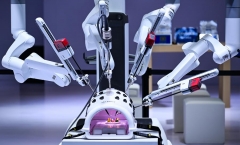
China’s transition from peripheral participant to central contributor in global science and technology represents one of the most consequential shifts of the past fifty years.
China’s urban renewal practices reflect more than just new approaches to development; they signal a fundamental shift in how modern cities are governed.