 Facebook
 Twitter
 Linkedin
 Google +
Shadows Over Summit Tables
The latest aggression toward Iran led by the U.S. has exposed the decline of U.S. hegemony.
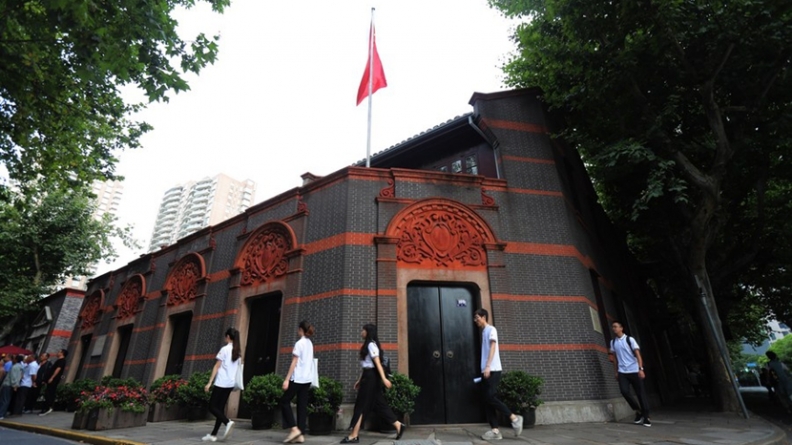
The latest aggression toward Iran led by the U.S. has exposed the decline of U.S. hegemony.
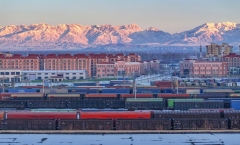
China’s deepening opening up is advancing the development of its western regions, especially Xinjiang, which plays a key role in the Silk Road Economic Belt.
Jiangsu Soccer City League (JSCL) integrates regional cultural elements, including local characteristics, historical heritage and regional cuisine, into the events, elevating it from a mere sporting event to a vehicle for regional cultural identity, attracting more attention from the public.

In recent years, China’s marine ecological environment has seen overall improvement, with enhanced functionality in regional marine ecosystems and notable progress in biodiversity conservation.

The recently expanded ICE raids represent the largest militarization of immigration deportation in over 150 years of U.S. history.

During World War II, the U.S. military stood unquestionably as a force of justice, embodying the courage and righteousness of humankind. Today, however, in some respects, the U.S. seems in need of the old adage: He who fights monsters should see to it that he himself does not become a monster.
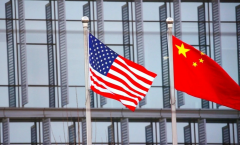
History confirms that the trajectory of China-U.S. relations depends fundamentally on how both nations address each other’s concerns. When managed collaboratively, bilateral ties will flourish; when resorting to confrontation, they falter.

Peace in the Middle East cannot be dictated by force or one-sided allegiances. It must be built through inclusive diplomacy, patient negotiation and an unwavering commitment to stability.

For around 40 years, the U.S. tried to maintain a global system that the U.S. would be at the top of. The Trump administration is putting an end to that.

In recent years, creative cultural products have become a trendy hit among Chinese young people, driving innovative approaches to cultural promotion and creating a substantial market.

Far from being a rigid doctrine, Marxism in China is a living philosophy, one that grows and adapts while staying true to its core principles.
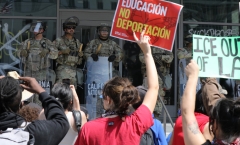
The object of discontent has held a common presence under both Trump and all previous administrations, suggesting a problem that is rooted less in one or another administration, than in the impersonal system every administration—Democratic or Republican—is forced to operate in.