 Facebook
 Twitter
 Linkedin
 Google +
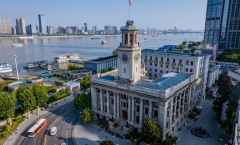
Wandering Through Wuhan: Where Harmony Meets Heart
There is a saying in Chinese, hé wéi guì (和为贵), which means ‘harmony is to be valued above all.’ Guided by this principle, I can truly say that Wuhan embodies a perfectly harmonious spirit.
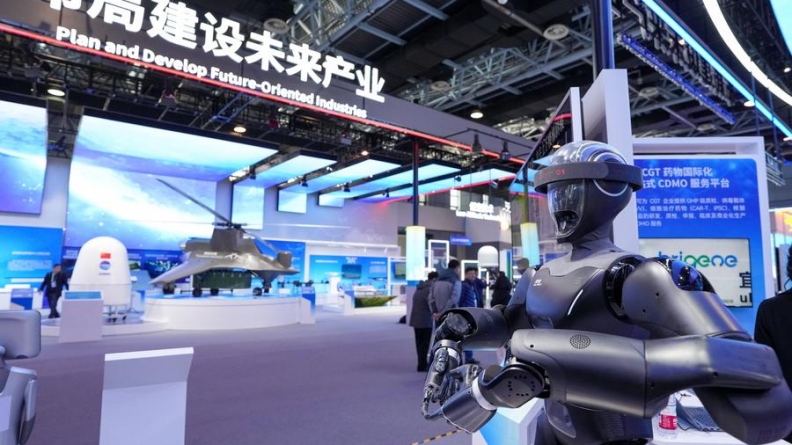
There is a saying in Chinese, hé wéi guì (和为贵), which means ‘harmony is to be valued above all.’ Guided by this principle, I can truly say that Wuhan embodies a perfectly harmonious spirit.
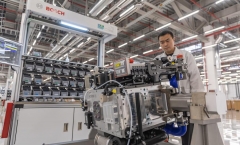
Engaging with China is not just about accessing its market today, but about securing a stake in the future of innovation and growth.
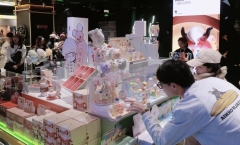
Mood-driven purchases of both goods and services are on the rise, emerging as the new engine driving consumption.
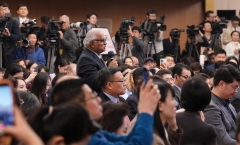
Always be aware, then, of the ‘subtle propaganda techniques’ used by Western journalists since truthfulness may be lacking in their attempts at cross-cultural communication.
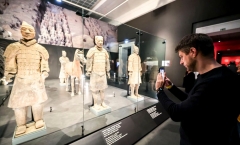
History attests that the zeniths of cultural, scientific, and economic flourishing have always emerged when societies open their gates to exchange knowledge, share experiences, and enrich one another.
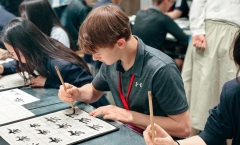
The old paradigm of zero-sum geopolitics has brought profound suffering; today, the world yearns for a new mode of thinking – one rooted in our shared humanity.
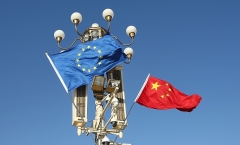
Amid a fluid and turbulent international situation, China and the EU, as two major global forces, two major markets, and two major civilizations, bear important responsibilities for world peace and development.

One of China’s greatest contributions to the world may be innovation at scale, coupled with openness and collaboration, in an era defined by complex global challenges.
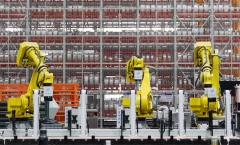
For the global economy, China’s 15th FYP Recommendations signal a transition from growth driven by sheer volume to growth driven by systemic capability.
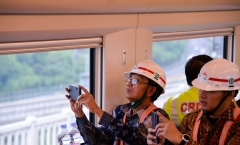
By reshaping trade routes, energy flows, and supply chains, Chinese infrastructure projects, are redefining patterns of regional engagement and influence.
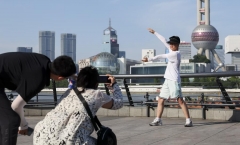
As the world grapples with turbulence and fracture, the vision of a community with a shared future for humanity, articulated in China’s 15th Five-Year Plan Recommendations and the 2026 Government Work Report, appears not only appealing but increasingly necessary.

On the threshold of 55 years of diplomatic relations, Cyprus and China stand to gain significantly by deepening their cooperation in trade, tourism, and green technology, guided by mutual respect and shared principles.