 Facebook
 Twitter
 Linkedin
 Google +
The War Convinces the World for Clean Energy
The reason the economics work so well, and the reason the green transition is now genuinely affordable for developing countries that once could not imagine it, is largely due to China.

The reason the economics work so well, and the reason the green transition is now genuinely affordable for developing countries that once could not imagine it, is largely due to China.
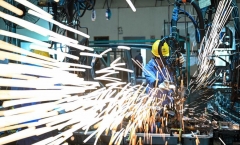
China is advancing a national strategy to develop net-zero carbon factories, driving the greening of key industries.
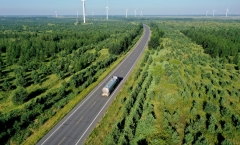
As the new legislation further balances economic development and environmental protection, China will accelerate its progress in turning the vision of a Beautiful China defined by clear waters, green mountains and clean air, into reality.
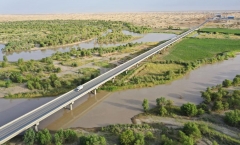
‘Locking’ of the Taklimakan desert’s edge is a beginning. The challenge now is not only to hold the line but to widen it, to make it yield economic benefits, and to ensure its long-term ecological and social viability.
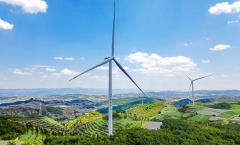
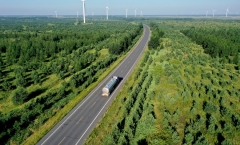
The wind turbines rising across China’s plains are not symbols of folly; they are the engines of a calculated bid for primacy powered by green electrons.
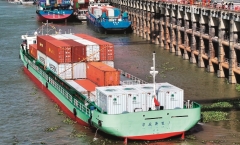
Battery-powered vessels and smart systems are directing China’s rivers towards a sustainable future.
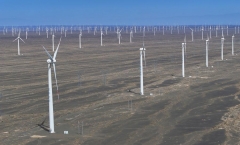
Guided by a logic of pursuing its own development while benefiting the world, China is helping reshape the global energy governance landscape.
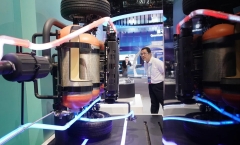
As the industry transitions from policy-driven pilots to a phase of systemic breakthrough, hydrogen energy represents not just a commitment to environmental sustainability but also a real economic goldmine.
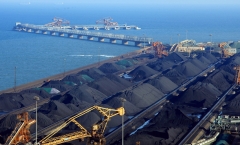
To deal with a polluted by-product of coal production, central China’s Shanxi Province has explored a governance path that addresses both the symptoms and root causes.

The stories of Zhejiang’s rural transformation show how sustained, localized development can turn once-poor villages into models of shared prosperity.

The fight for a livable planet was always a global one; now, the initiative to win that fight had finally become multipolar, led by the willing, with or without the United States.
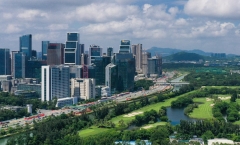
As of 2024, Shenzhen had designated 113 pilot near-zero carbon emissions projects in areas including public facilities, industrial parks, communities and campus spaces. Altogether, these projects reduce carbon emissions by 50 percent, or 570,000 tons, annually.