 Facebook
 Twitter
 Linkedin
 Google +

Breaking the Zero-Sum Game: Macron in China and Europe’s Bid for Renewal
Europe and China reject decoupling as an economic or civilizational project. They oppose the nihilistic notion that interdependence is a vulnerability rather than an asset.
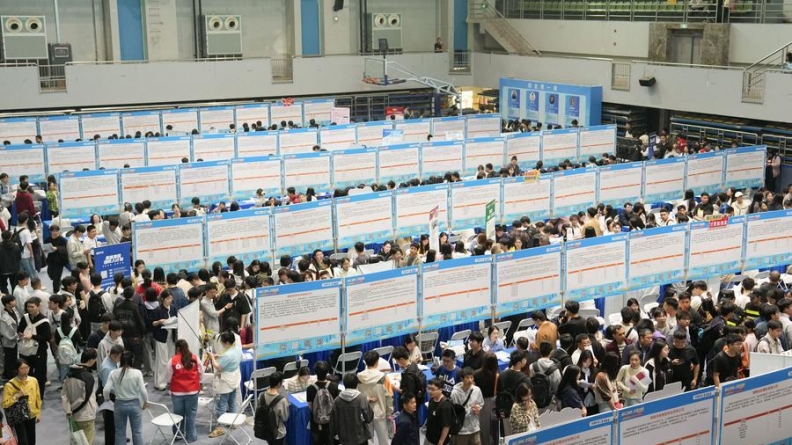
Europe and China reject decoupling as an economic or civilizational project. They oppose the nihilistic notion that interdependence is a vulnerability rather than an asset.

The fight for a livable planet was always a global one; now, the initiative to win that fight had finally become multipolar, led by the willing, with or without the United States.

The fact that differences exist does not mean that the two sides cannot work together. Collaboration is essential for the interests of both sides, and is essential for maintaining stability in the international system.

The overwhelming majority of nations around the world recognize and adhere to the one-China principle. For Japan to act against this principle is to act against the world.

Looking ahead, China’s COP30 performance signals a dual strategy: advancing low-carbon technologies while exercising diplomatic leadership.

In an age of ecological crisis and spiritual fatigue, this orientation carries global significance. It reminds the world that beauty is not a luxury, but a necessity. Beauty is the condition for sustaining life in harmony.

Trade and development have by and large provided Japan with a certain degree of prosperity. It would indeed be foolish to sacrifice that prosperity for a policy that will only create tensions in the region, and even military conflict.
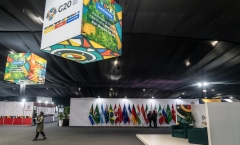
A reformed global system must embrace new priorities: digital governance, climate security, and equitable access to emerging technologies.

Although tensions persist in several areas, China’s G20 message fits within a wider effort to reduce unpredictability in its external environment.

Taken together, China serves both as a domestic model and as a financier and policy partner internationally.

In a turbulent and complex global environment, China continues to work toward socialist modernization, building common prosperity and an ecological civilization, while engaging with the world on the basis of mutual respect and mutual benefit.

Planning is what the key to responsible governance looks like. It’s one of the lynchpins of China’s unapparelled success in bringing wealth and wellbeing to its people, including women, those of different ethnicities and above all the poorest of the poor.