 Facebook
 Twitter
 Linkedin
 Google +
China Is Offering Global Opportunities
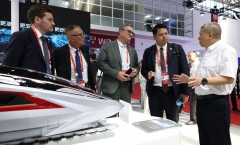
China’s development creates opportunities for all countries, including companies in countries that project their defects onto others.
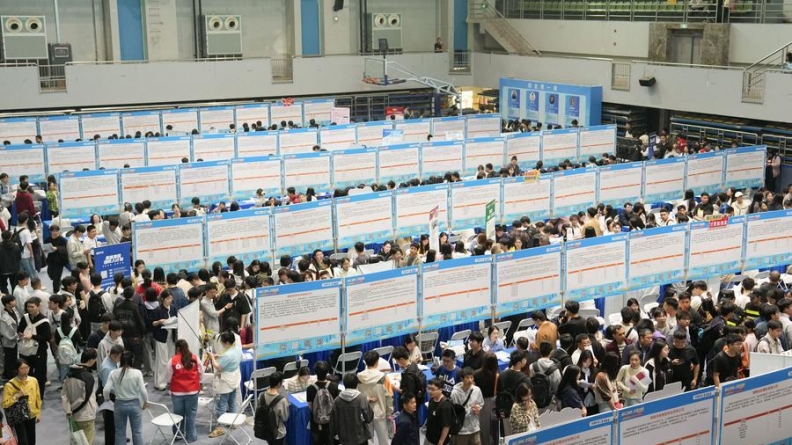
China’s development creates opportunities for all countries, including companies in countries that project their defects onto others.
In a period marked by uncertainty, innovation remains a source of hope – and hope grows stronger when shared.
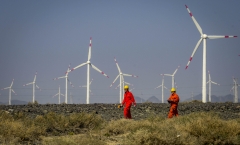
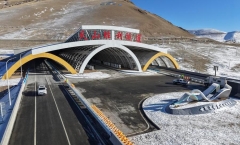
Urumqi is becoming one of the engines behind China’s clean energy transition, while still holding onto a cultural identity defined by centuries at the crossroads of China and Central Asia.

With Western-dominated institutions stumbling and the so-called “rules-based order” losing credibility, Beijing has released its most ambitious governance blueprint yet.
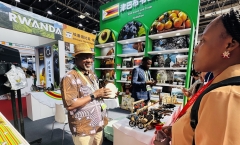
China’s zero-tariff policy gives farmers a golden opportunity to put their best produce forward.
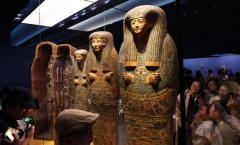
Over the past seven decades, China-Egypt relations have proven their ability to adapt to various international and regional changes while maintaining firm foundations based on mutual respect, non-interference in internal affairs, and the pursuit of common interests.
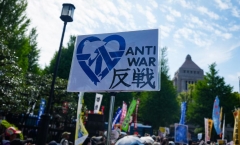
Justice is achieved not through retaliation but through accountability, evidence and historical truth.

Will rich countries join with China to construct a global community with a shared future based on openness and inclusiveness, equity and justice, harmonious coexistence, diversity and mutual learning, and unity and cooperation?
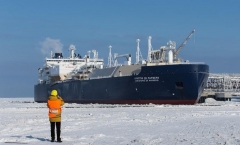
The NSR combines economic with strategic advantages for participating countries, and it benefits the international community.
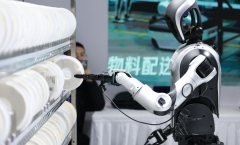
Digital innovation is seamlessly integrating into everyday life, transforming everything from health care to public services.

In my view, Xinjiang is a place where modernization is unfolding in every sphere of life.