The Racial Impact of US China Policies
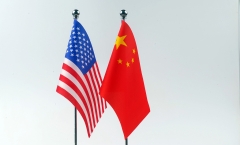
The United States must come to terms with the human consequences of its actions that have inflamed anti-Asian racism in the pursuit of antagonism towards China.
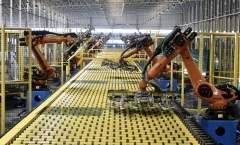
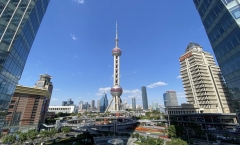
China’s new development paradigm with the domestic market as the mainstay and the internal and external markets reinforcing each other means it will not close its door to the outside world. Instead, China is building an open economy at a higher level while improving its economic resilience and competitiveness.
There have been a few bumps in the road, but that is not a reason to cut off engagement with each other.
COVID-19 is a global challenge which all countries must work together to overcome, and not an ‘every man for himself’ panic.
If we want to stop these attacks over the long run, we need to eliminate the harmful stereotypes that fuel the hate in the first place.
One cannot uphold the rule of law by including in governance those who wish to tear down the rule of law.
To enhance cooperation and exchange between China and India and to further develop the traditional friendship of the two countries, it is important that they understand each other and take care of each other’s interests
Their cooperation in international and regional affairs will surely promote the development trend of the world’s multipolarization and the establishment of a fair and reasonable new international political order.
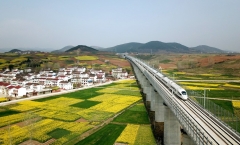
The commitment to support the Belt and Road Initiative, interwoven into its foreign and economic policy since 2013, has not wavered due to temporary shocks.
It helps China, it helps the United States if the young people have personal relationships and really understand what the other culture, what the other system is like.
On the basis of mutual and shared interest in decarbonization, China and the U.S. have a lot to cooperate on in a very practical way.
The roadmap in the next five years for the full development of a domestic market characterized by financial inclusion is challenging.