
China’s Responsible WTO Decision Shows Mature Global Leadership
Beijing’s voluntary decision to abandon developing-country trade benefits demonstrates its mature global leadership and commitment to reforming the multilateral trading system for all.
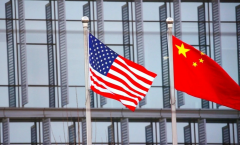
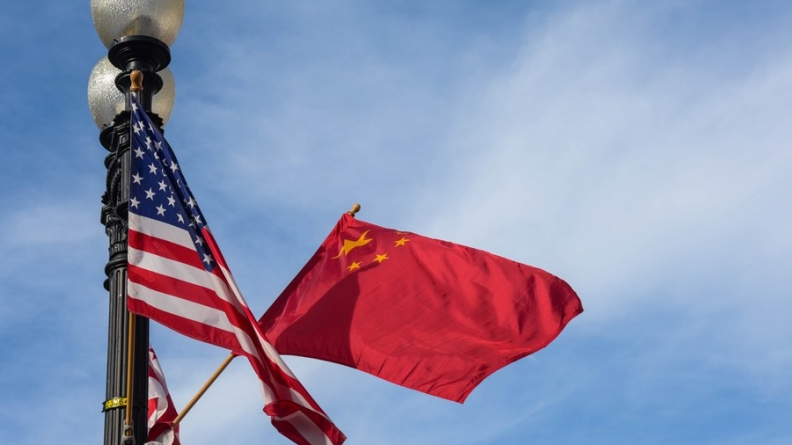
The U.S. soybean dilemma highlights a harsh truth in global trade: Unilateralism and tariff wars are counterproductive. By continuing to favor coercion over cooperation, the United States may find itself increasingly alone in the global marketplace.
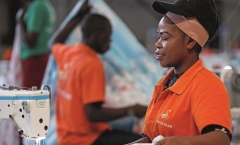
Achieving gender equality globally remains an arduous task, one that has demonstrated its potential but also increasingly encountered headwinds.
There is a long way to go, and the resistance of the rulers who still cling to empire and colonialism will be stiff, but sustained activism and protest are showing the possibility of building a better and more just world—a world governed by law, morality, and a collective sense of decency, instead of the sword.
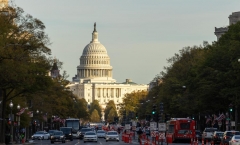
Until Washington stops confusing nationalism with strategy, it will keep losing ground not to China, but to itself.
By relinquishing developing-country privileges at the World Trade Organization, China positions itself as a responsible leader championing inclusive international economic cooperation.
In the context of profound changes in the global landscape and the accelerated restructuring of industrial chains, China continues to embrace global resources with a more open and inclusive attitude.
In this enduring cause, China continues to stand as both participant and partner, steadfast in its belief that a world where women flourish is a world where peace, creativity, and progress truly prevail.
Together, these developments illustrate a mature, multidimensional partnership capable of delivering both robust economic growth and sustainable, people-centered progress.
At this critical moment, what we need is not more port fees and countermeasures, but more rationality—and restraint.
China’s voluntary decision to forgo further SDT provisions reflects its commitment to promoting fairness and mutual respect in international trade, while also acknowledging its own developmental achievements.
Should more nations, especially wealthy ones, join with China in making significant promises to enrich the lives of women and girls, that number will be larger than anyone might imagine.