 Facebook
 Twitter
 Linkedin
 Google +
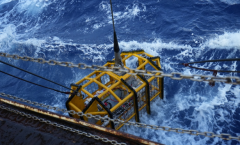
Who Decides What Happens on the Ocean Floor?
When technological capacity and resource distribution are profoundly unequal, how to prevent the powerful from claiming, in the name of efficiency, what belongs to everyone?
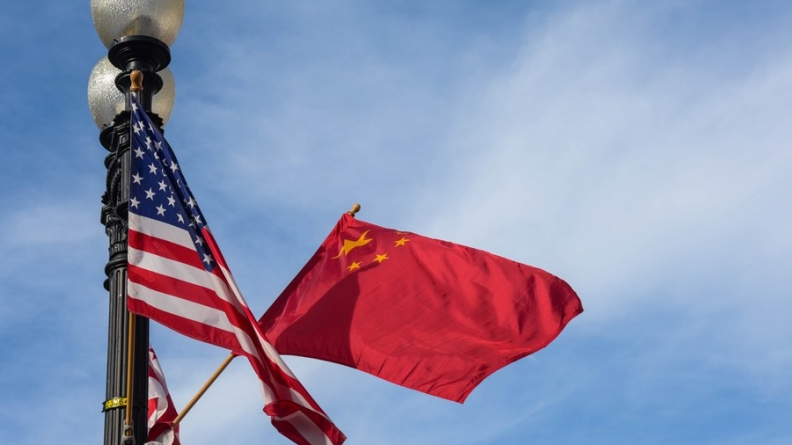
When technological capacity and resource distribution are profoundly unequal, how to prevent the powerful from claiming, in the name of efficiency, what belongs to everyone?
As global trade fractures and protectionism rises, China’s extension of zero tariffs to 53 African nations offers the continent a crucial opening to grow exports, attract investment and boost development.
The Strait of Hormuz may prove to be Trump’s Waterloo, but one defined not by cannons, but by political overreach.
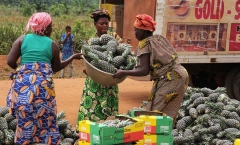
In an era increasingly defined by closed doors and economic nationalism, China has opened one — wide enough for Africa to walk through and reshape its economic destiny.
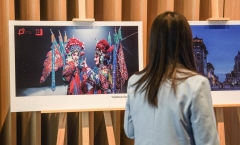
In an age of global challenges, there are numerous issues whose solutions require closer international cooperation.
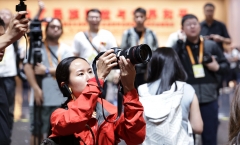
In China, the reporter’s role is not to confront the system but to help it function as intended—to keep the ‘mass line’ open, ensuring information flows between the people and the leadership.
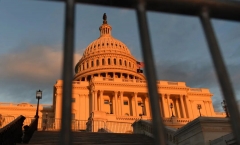
From Washington’s perspective, Japan is increasingly little more than a pawn to be discarded when convenient, and Takaichi’s trip to the U.S. laid that bare.
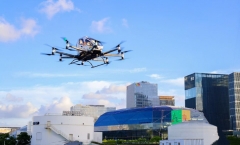
China’s new development model—centered on innovation, new quality productive forces and sustainable growth—aims to enhance both domestic resilience and global engagement.
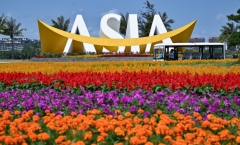
Only through sustained growth can China, Asia and the RCEP region become the greatest source of certainty in the global economy over the next decade, and play a notable role in regional integration and a new wave of globalization.

The cure for these misunderstandings is face-to-face dialogue, immersive exchange and mutual respect for civilizational diversity—exactly what the GCI embodies.
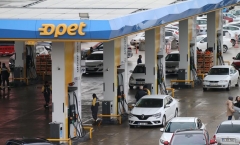
Reopening shipping lanes, easing tensions, and restoring communication are in the interest of the Middle East, major energy-consuming countries, and the world as a whole.
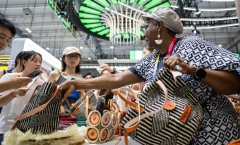
The ‘arithmetic’ of zero tariffs provides a solution that goes beyond trade; it is a tangible demonstration of the Global South’s commitment to pursuing modernisation collectively, based on cooperation and mutual benefit.