 Facebook
 Twitter
 Linkedin
 Google +

A Vision for AI Development
In this intelligent era, only by pursuing multilateral, inclusive governance and rejecting tech monopolies, can AI transcend national borders to benefit humanity and generate sustained impetus for civilizational progress.
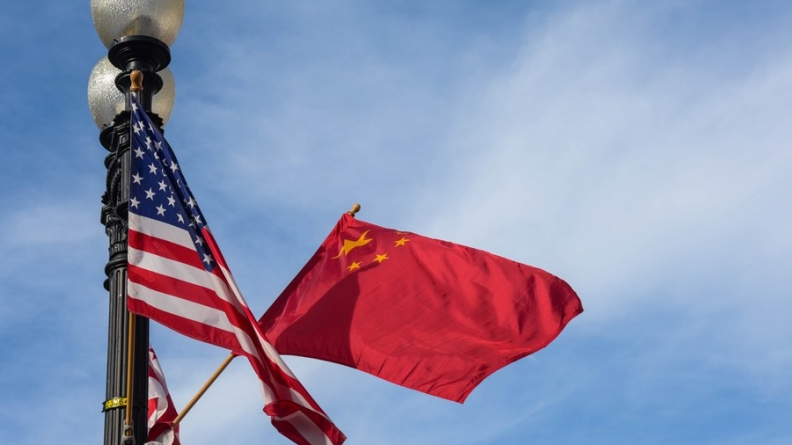
In this intelligent era, only by pursuing multilateral, inclusive governance and rejecting tech monopolies, can AI transcend national borders to benefit humanity and generate sustained impetus for civilizational progress.

China’s enormous domestic market can serve its own consumers while simultaneously creating opportunities for producers elsewhere.

Longer history suggests that both China and India can rise above periodic diplomatic difficulties by looking past temporary differences and drawing strength from their shared cultural heritage and global contributions.
BRICS cooperation has moved beyond the outdated logic of political and military blocs, embracing a partnership based on mutual trust and mutual benefit.

Over five years, the Global Development Initiative (GDI) has grown from a Chinese proposal into a multilateral effort backed by more than 130 countries and international organizations, restoring development to the center of global governance.

The global boom of Chinese micro-dramas is a sign that, in the digital era, cultural soft power does not have to be built upon big-budget productions. It can emerge through everyday entertainment consumed on smartphone screens around the world.

As generative AI reshapes how we learn, universities should encourage academic freedom, critical inquiry, and international cooperation while helping society navigate the opportunities and risks of technological change.
Kyrgyzstan-China relations have passed through three distinct stages—border stabilization, institutionalization and infrastructure integration—and are now entering a fourth: economic connectivity on a transcontinental scale.
Sanctions may sometimes support diplomacy, but they should never become a permanent substitute for diplomacy or a form of economic warfare without accountability, limits or a credible path to peace.

The visit consequently points towards a China-Africa relationship increasingly shaped by the interaction of trade, production, technology, finance and security.
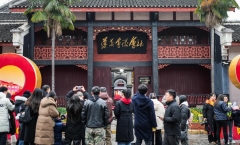
The Long March remains globally relevant not only as a historic turning point for the CPC, but also as a lasting symbol of resilience, strategic vision, unity, and people-centered governance.

There is a difference between holding power accountable with verifiable facts and converting tragedy into a referendum on a country one has already decided to condemn.