 Facebook
 Twitter
 Linkedin
 Google +

Why Is the ‘Next China’ Still China?
Foreign firms’ strong confidence in the Chinese market undoubtedly attests to the country’s resilient economic development that delivers growth, accompanied by enormous market potential and high-level opening-up.
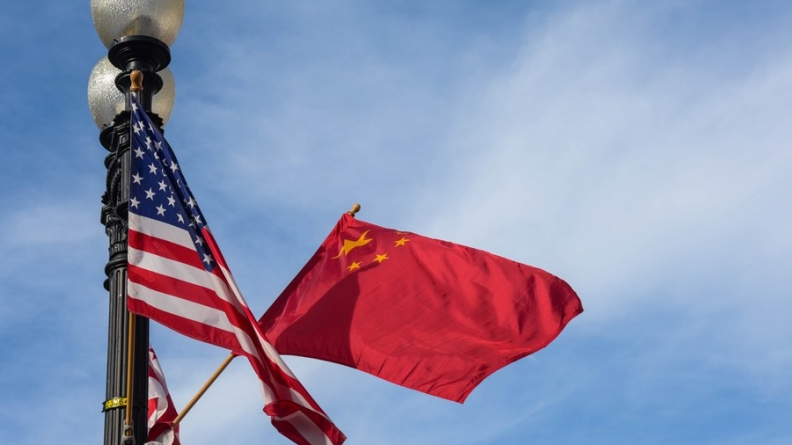
Foreign firms’ strong confidence in the Chinese market undoubtedly attests to the country’s resilient economic development that delivers growth, accompanied by enormous market potential and high-level opening-up.

Various types of youth exchanges in all forms are playing a key role in advancing communication and mutual learning among civilizations.
Both China and Russia are committed to building a high-quality partnership that is more comprehensive, closer, more practical and more inclusive.
There is enough space of autonomy for the EU to cultivate robust economic relations with China.

Even though it has been 70 years since the proclamation of the Five Principles of Peaceful Coexistence, their spirit is as relevant today as it was back then.
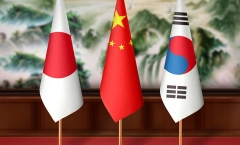
When the three leaders meet, such matters as peace, stability, cooperation and prosperity will be on each of their minds.
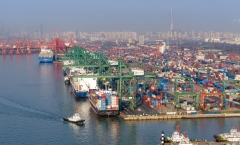
China has always defied doom merchants in the past, those predicting an end to sustained economic growth and rising living standards. There is no reason to suppose that it will not continue to do so.
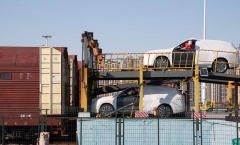
The joint efforts will undoubtedly advance the global drive towards sustainable green development. But the tariff scheme is putting a brake on the process.
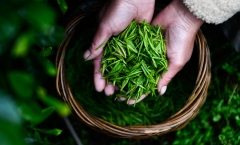
Tea’s current adaptation in this new stage indicates how ancient philosophies, savvy governance, adaptation of technology, and the passion Chinese people have for their own culture will ensure that the ‘next China’ is still China.
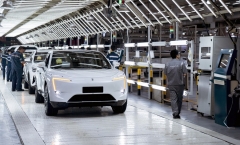
With the most complete industrial system, China’s has maintained the world’s strongest manufacturing capability for more than a decade.
It is imperative to modernize international dispute settlement mechanisms to prevent trade and ideological differences escalating into economic warfare.