 Facebook
 Twitter
 Linkedin
 Google +
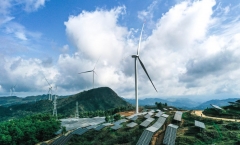
Climate Crisis: China’s Action Based on Its Strengths and Healthy Competition
Baby steps of a giant that led to cleaner skies and lighter breaths for its people.
Baby steps of a giant that led to cleaner skies and lighter breaths for its people.
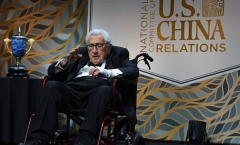
With Kissinger gone, the world has one fewer person who can exercise some influence on both Chinese and American leaders. What he leaves behind is not just legendary experience. It is also his wisdom in balancing the world order.
Yes, he will be buried in the United States, but there is every reason to believe that a part of Kissinger’s spirit will forever be remembered in China.
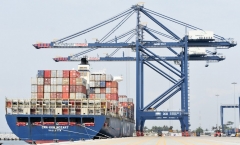
The extent to which the West has gone to counter BRI is a sign of China’s success.

In China’s human rights ideals, governments are always encouraged to do their part of governance to create larger free space for individuals.

Reflecting on the past five decades of China-Argentina relations reveals a consistent thread of pragmatism, nurturing and driving their sustained progress.

This conflict has lasted for nearly 80 years and the blood feud of several generations cannot be erased in the short term, but at least a temporary ceasefire has given the world a hope for peace.
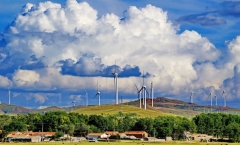
China has made remarkable achievements to lower carbon emissions nationwide and has emerged as the world’s leader in renewable production.
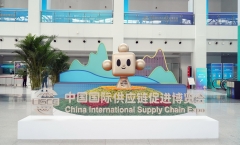
By leveraging greater market opportunities, countries are best positioned to plug volatilities in the international supply chain system and drive long-term stability.

Both China and the United States share close economic ties with other Asia-Pacific economies, and the improvement of their relations injects a strong boost into regional cooperation.

The BRI project will be improved, so there will be more focus on quality rather than quantity.

The improvement of ties between China and the U.S. will undoubtedly impact the future of the Asia-Pacific region.